

On this page
Research infrastructure you can use
- a moored grid supporting five circular fish pens
- seaweed longlines and shellfish cultivation structures
- space for testing new sensors and monitoring technologies
- a coastal data-collection and monitoring station
Integrated multi-trophic aquaculture research
Integrated multi-trophic aquaculture (IMTA) brings species from different levels of the food chain together. The approach remains at pilot stage in Europe, making the site useful for applied research and collaboration.
- waste from fed species becomes nutrients for other species
- shellfish and seaweed help absorb excess nutrients
- the overall system becomes more efficient and sustainable
- researchers can study nutrient cycling and ecosystem interactions
- the site provides a testbed for sustainable aquaculture models and access to multi-species datasets
Species and systems on site
The site maintains species from different trophic levels so researchers can study their interactions in one location.
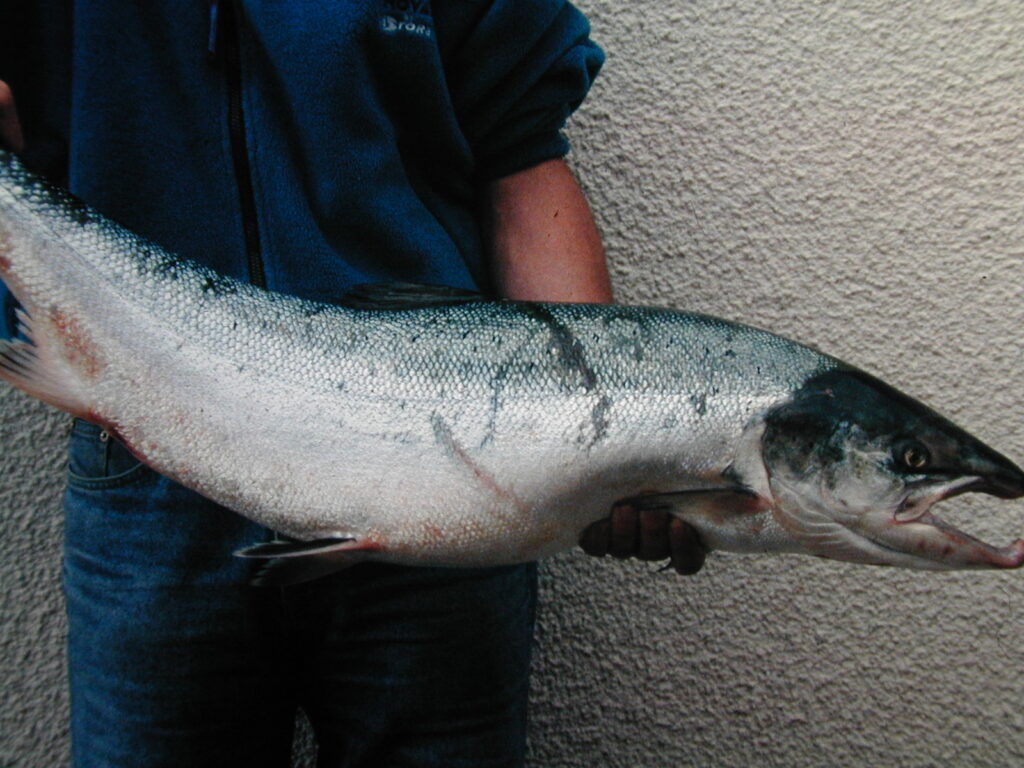
Fed species
Atlantic salmon and lumpfish are maintained as fed species at the higher trophic level.
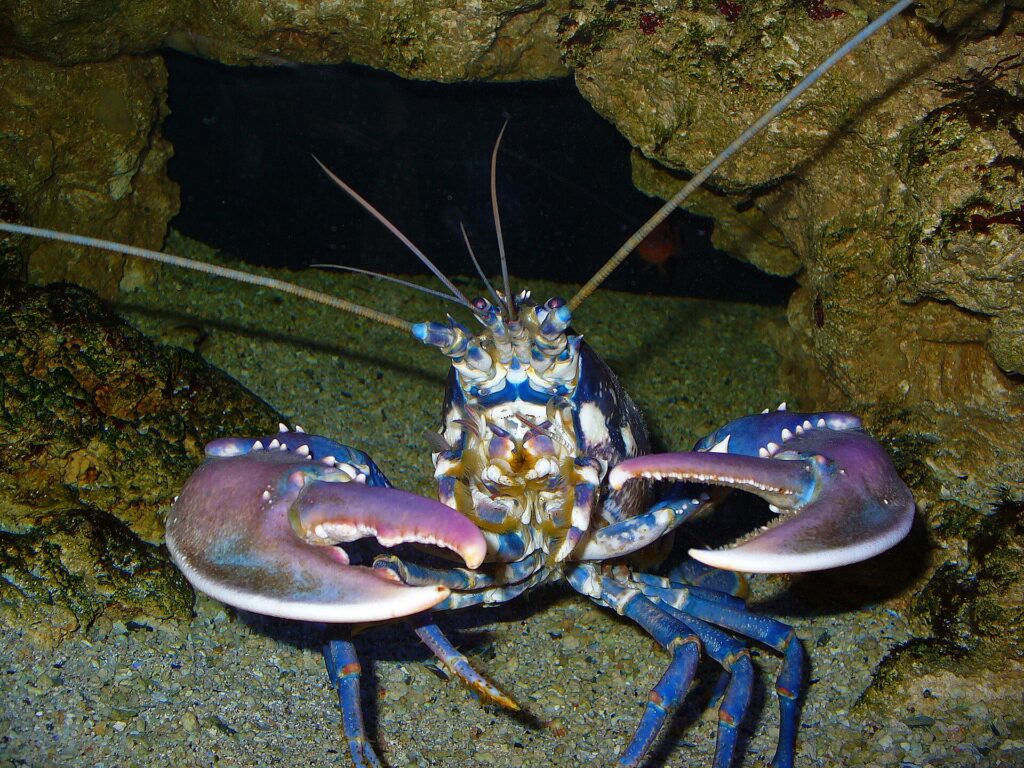
Lower trophic-level species
Species include European lobster, king scallop, variegated scallop or cluisín, sea urchins, and sea cucumbers. Variegated scallop or cluisín (Chlamys varia) is grown on site.
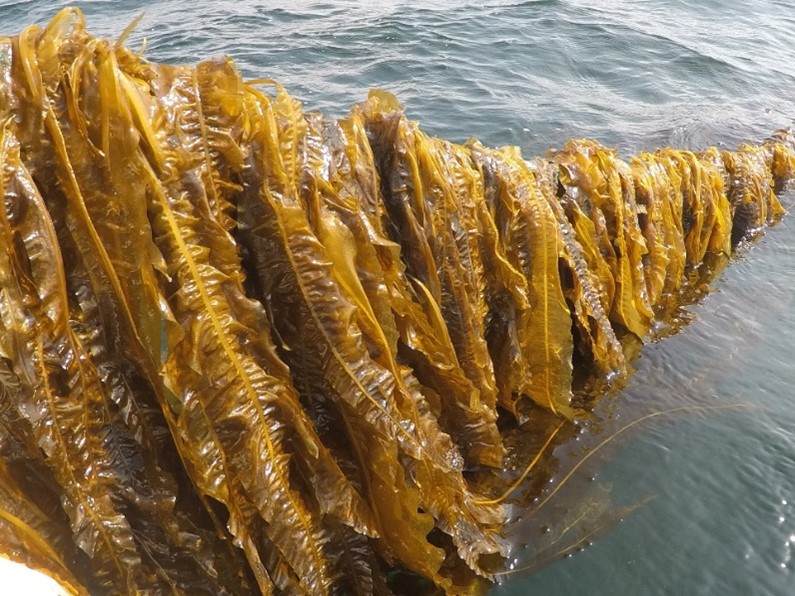
Seaweed grown on longlines
Winged kelp, also known as Irish wakame, and sugar kelp are grown on longlines. Winged kelp (Alaria esculenta) is grown on a longline at Lehanagh Pool.
Access live environmental data
The site functions as a sentinel monitoring station. Many measured parameters are recognised as Essential Ocean Variables used globally to track climate and ecosystem change.
- the ocean data buoy records temperature, salinity, dissolved oxygen, chlorophyll-a, pH, and turbidity
- weather observations cover wind, air temperature, and pressure
- wave observations cover height, direction, and period
- an Acoustic Doppler Current Profiler records current profiles
- measurements are taken every 10 minutes, transmitted every two hours, and made available in near real time
Research projects at the site
Current and previous projects show how Lehanagh Pool supports national, international, collaborative, and applied research.
Blue Bio Boost
This current project focuses on improving seaweed farming using local genetic resources.
ClirAqua
This current project aims to strengthen the resilience of Atlantic aquaculture to climate change.
IMPAQT
This previous project tested integrated multi-trophic aquaculture systems and smart monitoring tools.
ASTRAL
This previous project developed sustainable aquaculture approaches across the Atlantic.
Why this site matters for your work
- access to real-world aquaculture systems
- high-frequency environmental datasets
- opportunities for collaborative research projects
- a platform for testing sensors, models, and technologies
- long-term data for climate and ecosystem studies
Work with us
If you’re interested in using the site or accessing data, you can collaborate with our teams.