

Overview
Evidence for sustainable fisheries
Fish stocks require careful management to ensure populations remain self-sustaining, biodiversity is protected and future fishing opportunities can continue. Fisheries managers rely on scientific advice based on stock assessments carried out by scientists through organisations such as ICES and ICCAT.
What is a stock?
A fish or shellfish stock is a population of a single species with common biological, migratory, reproductive and genetic characteristics.
Some stocks are highly migratory and cover large areas, such as mackerel in the Northeast Atlantic. Others may be more localised, such as haddock in the Irish Sea. Stock behaviour is dynamic and stocks of the same species may overlap in space and time, including herring and monkfish.
What advice can include
Scientific advice guides management decisions and can cover more than catch levels.
Catch or effort levels
Advice typically includes guidance on appropriate catch or effort levels.
Fishing gear
Advice can include restrictions on fishing gear type or design.
Closed areas and seasons
Advice may include spatial or seasonal measures to support conservation and fishery objectives.
How stock assessment works
Assessments turn biological evidence, catch data and survey results into advice for fisheries managers.
Define the method
The stock and assessment method are defined through a benchmarking process, usually every three to five years.
Gather evidence
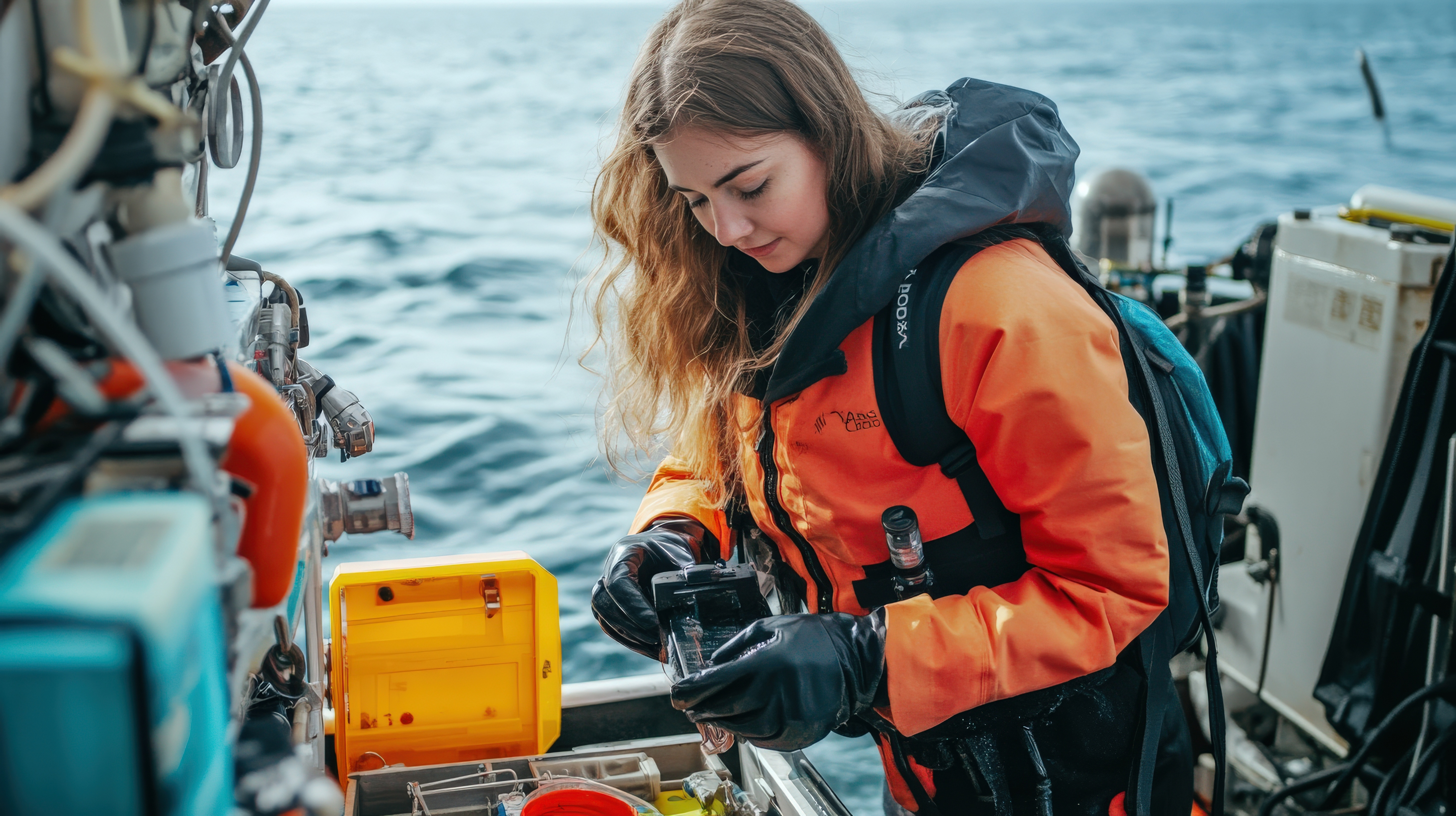
Scientists gather biological data, catch sampling, discard data and research vessel survey results.
Model the population
Mathematical and statistical models synthesise the available datasets.
Update the assessment
The latest data is used to understand how the stock has developed over time.
Provide advice
Advice on future catches is produced in line with conservation and fishery objectives.
Evidence base
Evidence used in assessments
Stock assessments combine several evidence streams to build a picture of stock status and change over time.
Biological characteristics
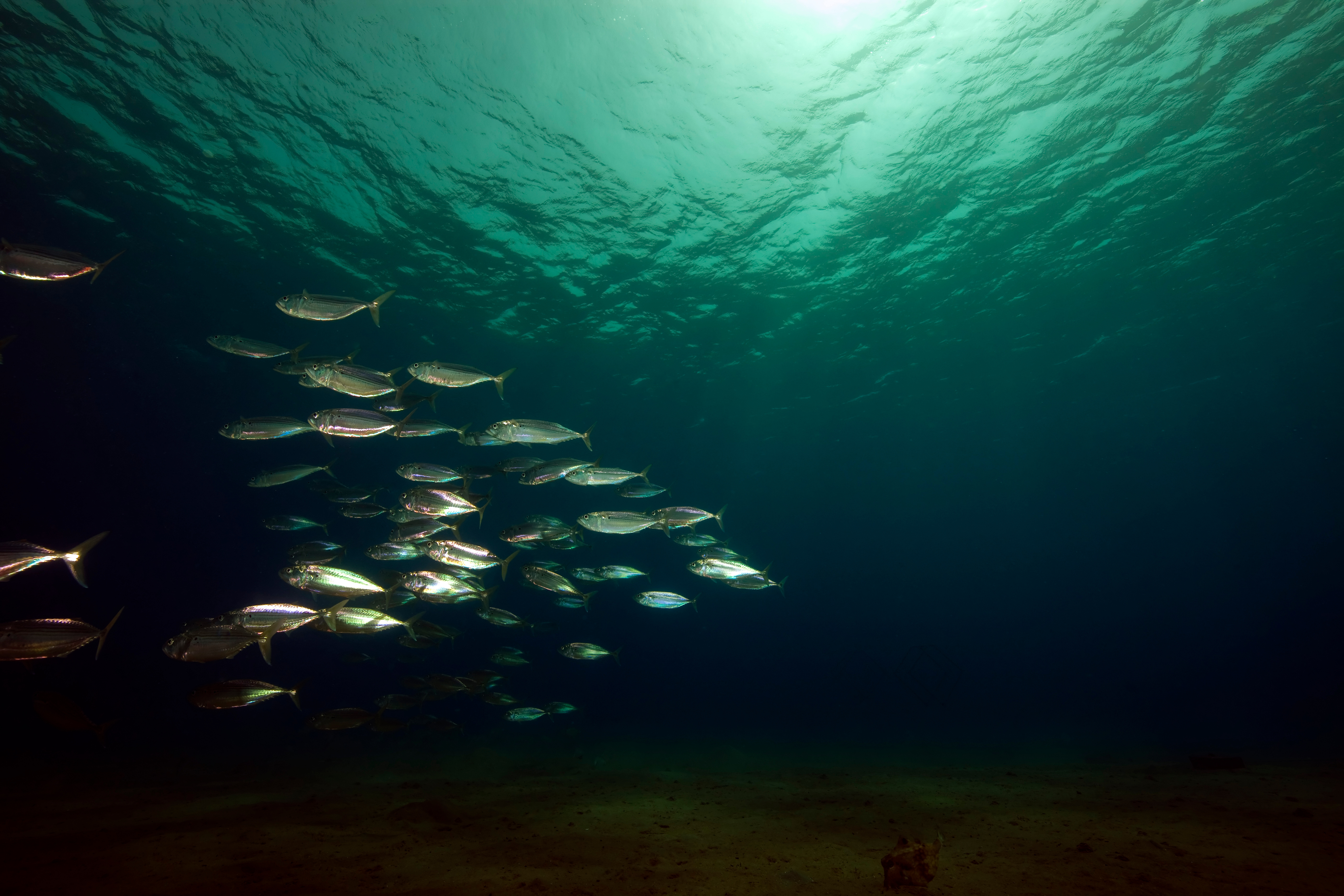
Growth rates, maturity, natural mortality, predation and disease help describe how the stock functions.
Catch information
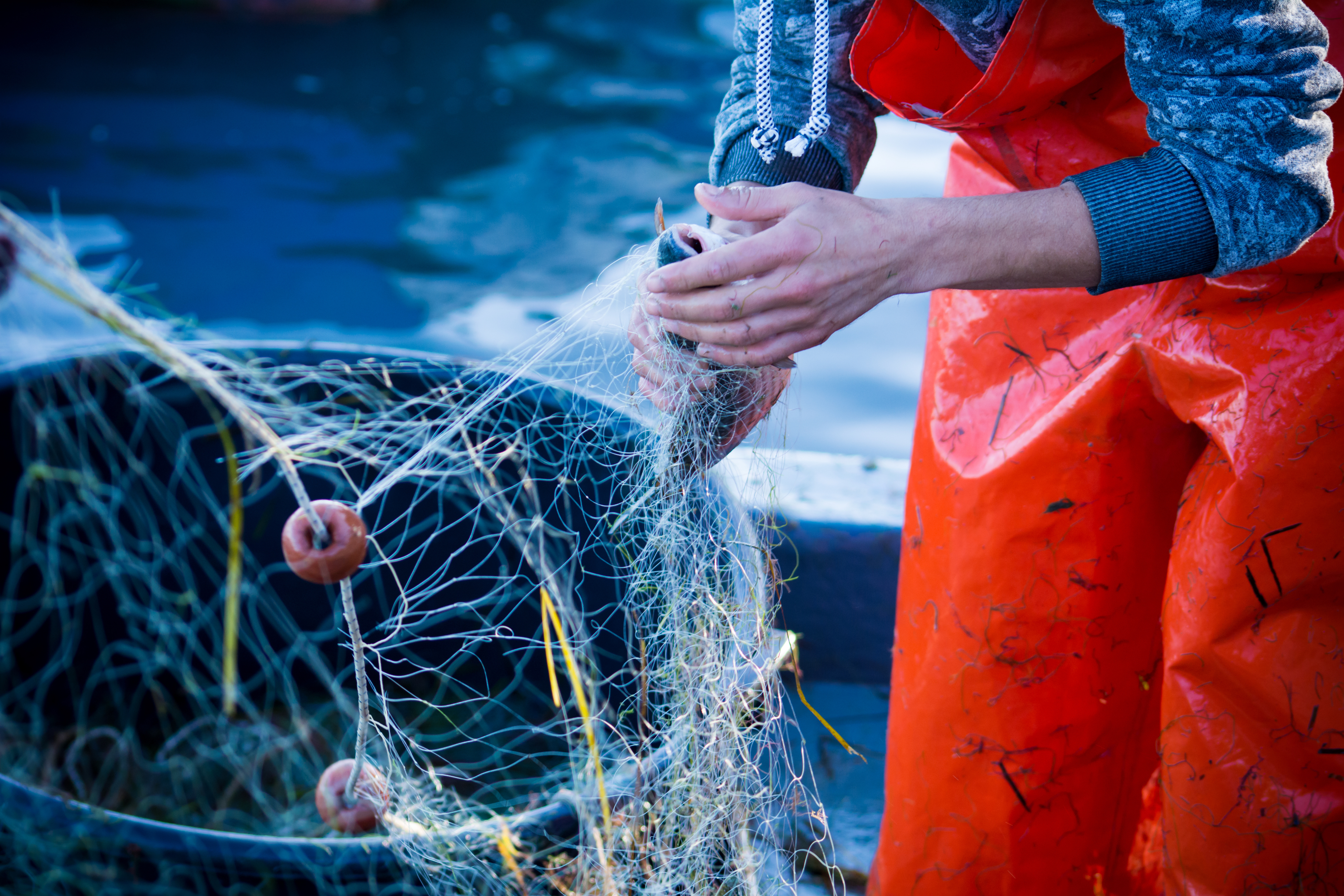
Landings, discards, age structure, cohort strength and otolith ageing help scientists understand fishing impacts and year classes.
Sampling activity
Catch sampling is carried out at ports and at sea in collaboration with industry.
Research surveys
Survey methods include acoustic surveys for pelagic species, trawl surveys for demersal species and underwater TV surveys for prawns.
Surveys
Research surveys
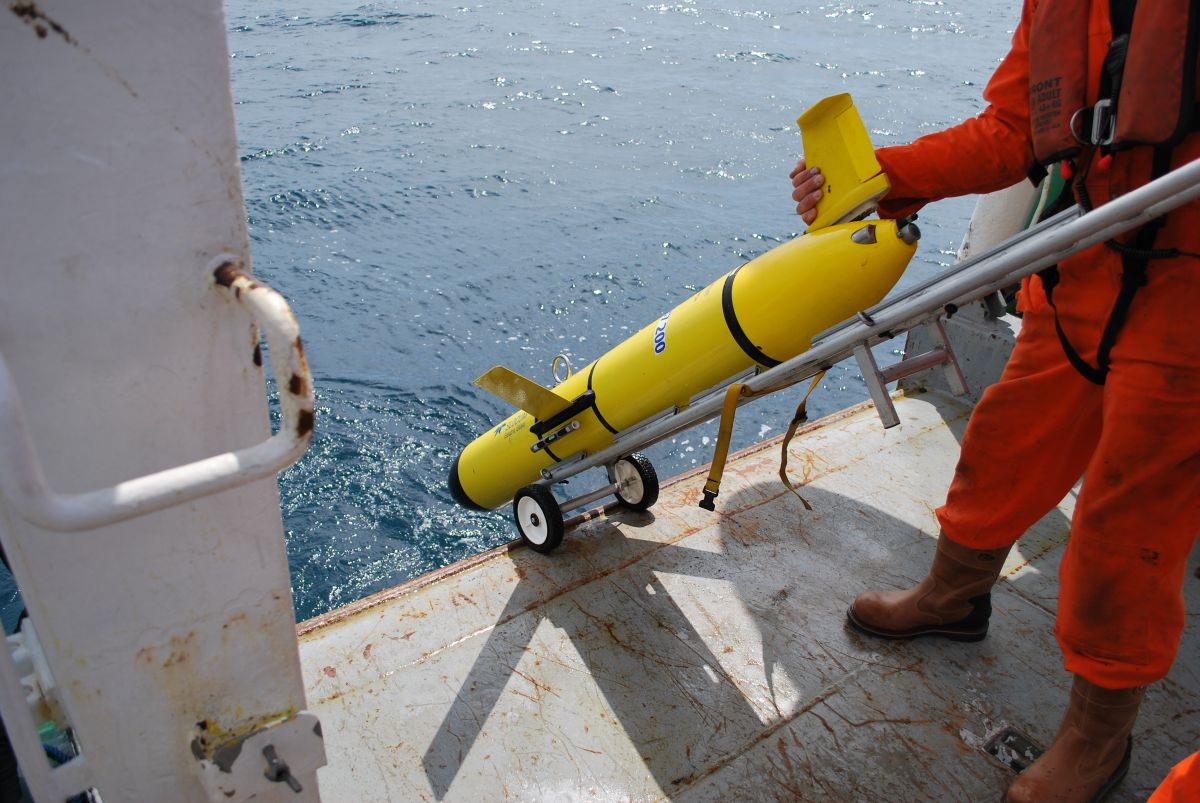
Research vessel surveys provide information on stock size, structure, distribution and biology. Survey methods depend on the species being monitored.
Governance
Who contributes to advice
Assessments are conducted by scientists collaborating through intergovernmental science organisations such as ICES and ICCAT. The resulting advice is provided to fisheries managers.
Advice is based on assessment outputs and is designed to support defined conservation and fishery objectives.
Need more information?
Related publications, reports, data portals and content-owner contact details should be confirmed before final sign-off.